



Cheap cement for Poland, 94% duties for Moldova: Ukraine plays tough on the European market

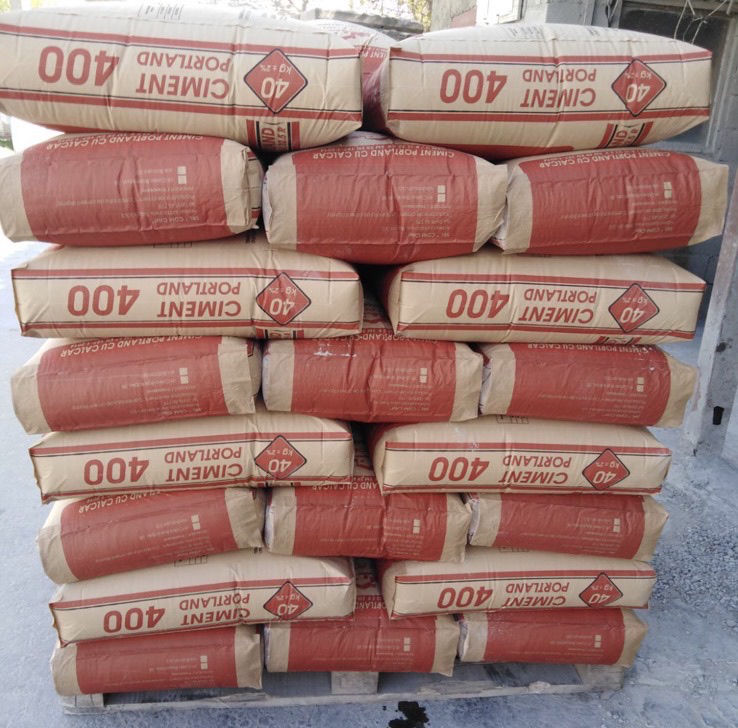
Europe's cement industry is sounding the alarm: the market is being choked by cheap imports from outside the European Union, while domestic production is being hit by high energy costs, carbon taxes and strict environmental regulations. Poland, one of the EU's largest cement producers, is demanding that imports from Ukraine be halved, amid an explosive increase in supplies from the country - almost 3,000% in the past five years.
Romania is also facing a similar problem: cement imports increased almost fivefold between 2015 and 2023, while domestic production stagnated, according to Eurostat data. In Hungary, imports almost doubled, and in Poland, although they increased less than in Romania, they became a serious threat to the local industry, which supports over 28,000 jobs.
The data shows that 36% of EU cement imports come from Turkey, 19% from Algeria, 12.6% from Ukraine, 4.4% from Egypt and 4% from Morocco. Poland, the EU's third largest cement producer, has launched a political offensive to obtain annual limits on imports from Ukraine as part of a trade agreement with the country. "We must protect our industry, otherwise we risk losing an essential strategic capacity in the current context of rearmament, defensive infrastructure and large-scale projects," warned MEP Krzysztof Hetman.
European producers accuse them of being hampered by unfair competition from cement from outside the EU, which is not subject to carbon taxes or other environmental restrictions. While industrial giants from Spain, Germany, Greece and Slovakia dominate cement exports to the EU, Romania remains one of the countries most exposed to the invasion of cheap cement from outside the bloc – especially from Turkey.
As the second round of the Polish presidential election approaches, the cement industry is increasingly making its voice heard, calling for urgent action. The situation is reminiscent of the wave of protests in 2023 by Polish, Romanian and Slovak farmers against cheap agricultural imports from Ukraine.
In parallel, Hungary has declared a “cement war” against large foreign producers, adopting controversial legislation that allows the government to regulate prices, production and distribution, and even limit exports. While Europe struggles with its own strict rules, Ukraine recently decided to extend anti-dumping tariffs on cement imports from Moldova and Belarus for five years – up to 94% and 57%, respectively.
The European cement industry is now calling for firm action to protect the internal market, warning that without swift action it risks being destroyed by a wave of cheap imports that are eroding competitiveness and threatening jobs in the sector.
Source; https://bani.md/