


How the war with Iran changed the real estate market in Dubai. What the first price drops look like after the years of accelerated boom

After almost four years of continuous growth, the Dubai real estate market is starting to show the first signs of cooling down amid the regional conflict between Iran, the US and Israel. If until recently the city was perceived as one of the safest havens for capital and real estate investments, geopolitical tensions in the Gulf have begun to affect investor confidence and the pace of transactions.
According to a Reuters analysis, the real estate sector in the United Arab Emirates is going through its "first real test" after the boom years that attracted investors from Russia, Europe, Asia and the crypto zone to Dubai and Abu Dhabi.
The first effects are already visible in the market. Several local and international analyses show that transaction volumes have started to decline, and prices of some residential and commercial properties have entered a correction. A report cited by NDTV shows that the residential index in Dubai fell by almost 6% in March, while sales in the secondary market fell by about 30%.
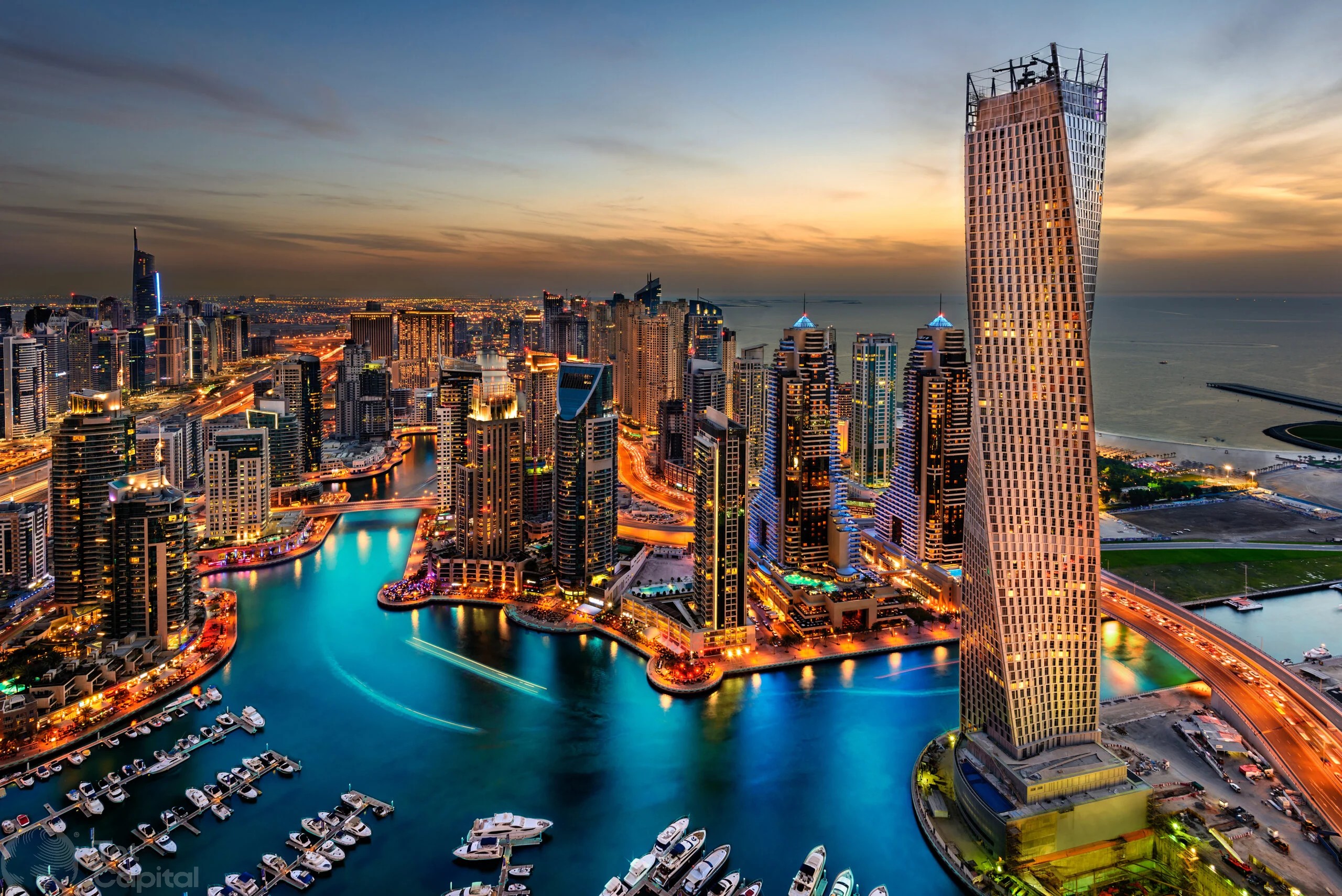
The most affected are luxury properties and speculative investments in areas such as Palm Jumeirah, Downtown Dubai or Dubai Marina, where a large part of buyers were counting on quick resale and accelerated price appreciation.
In recent years, Dubai properties had increased by approximately 60% between 2022 and early 2025, one of the fastest appreciations in global real estate, according to Map Homes Real Estate.
Before the conflict, an 80–90 sq m apartment frequently sold for AED 3–4 million; a premium 120–140 sq m apartment reached AED 4–5 million; penthouses and ultra-luxury properties easily exceeded AED 15–20 million.
Following the escalation of the conflict and the attacks that also affected the Palm Jumeirah area, several local agencies and real estate consultants say that certain properties are now listed with discounts between 10% and 20%, especially in the secondary market.
Thus, an apartment that was listed at 5 million AED before the war can now appear at around 4–4.3 million AED, and some properties bought speculatively during the post-pandemic boom have begun to be urgently resold.
The conflict in the region has also affected Dubai's image as a "safe haven" for investors and expats. Reuters notes that Iranian attacks and tensions in the Strait of Hormuz area have caused concerns among foreign residents and international companies.
Meanwhile, analysts say the market is starting to stabilize after the post-pandemic exuberance. According to recent data from Khaleej Times, transactions are still taking place, but investors are more cautious, and secondary market activity has noticeably slowed.
Even in this context, many developers and real estate consultants believe that Dubai remains more resilient than other regional markets due to its infrastructure, fiscal policies and international interest in premium properties. The off-plan segment in particular continues to attract buyers, accounting for approximately 76% of recent transactions.
However, experts warn that the coming months will be decisive. The market needs to absorb a huge volume of new housing — approximately 210,000 units in the coming years — precisely at a time when geopolitical uncertainty and oil volatility are affecting investor confidence, according to Map Homes Real Estate.