


“Ungheni Logistic Hub”
Detalii
- Suprafața lotului (ari):27200/2720000 m2
Prezentare generală
BUSINESS PLAN
1. Executive Summary
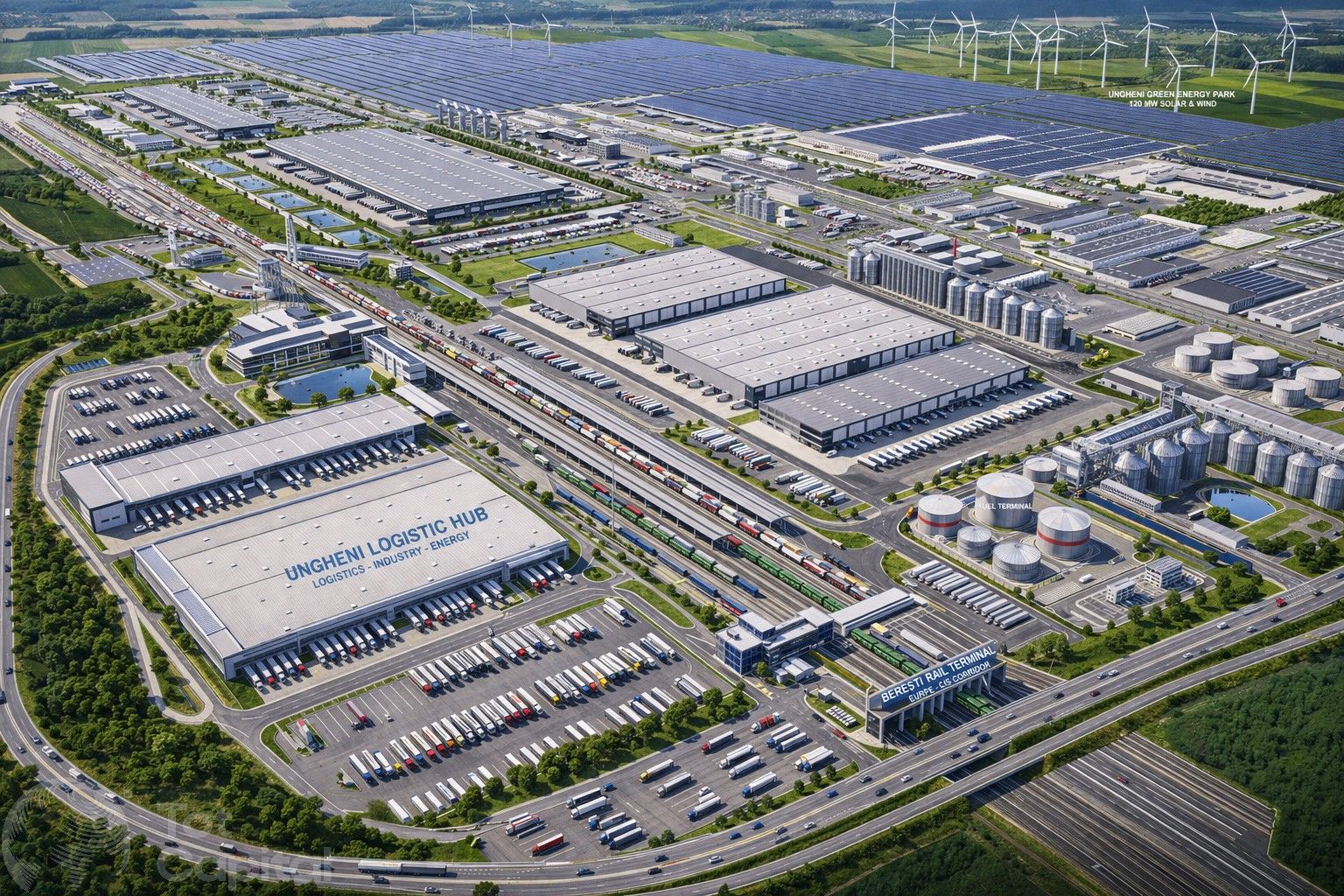
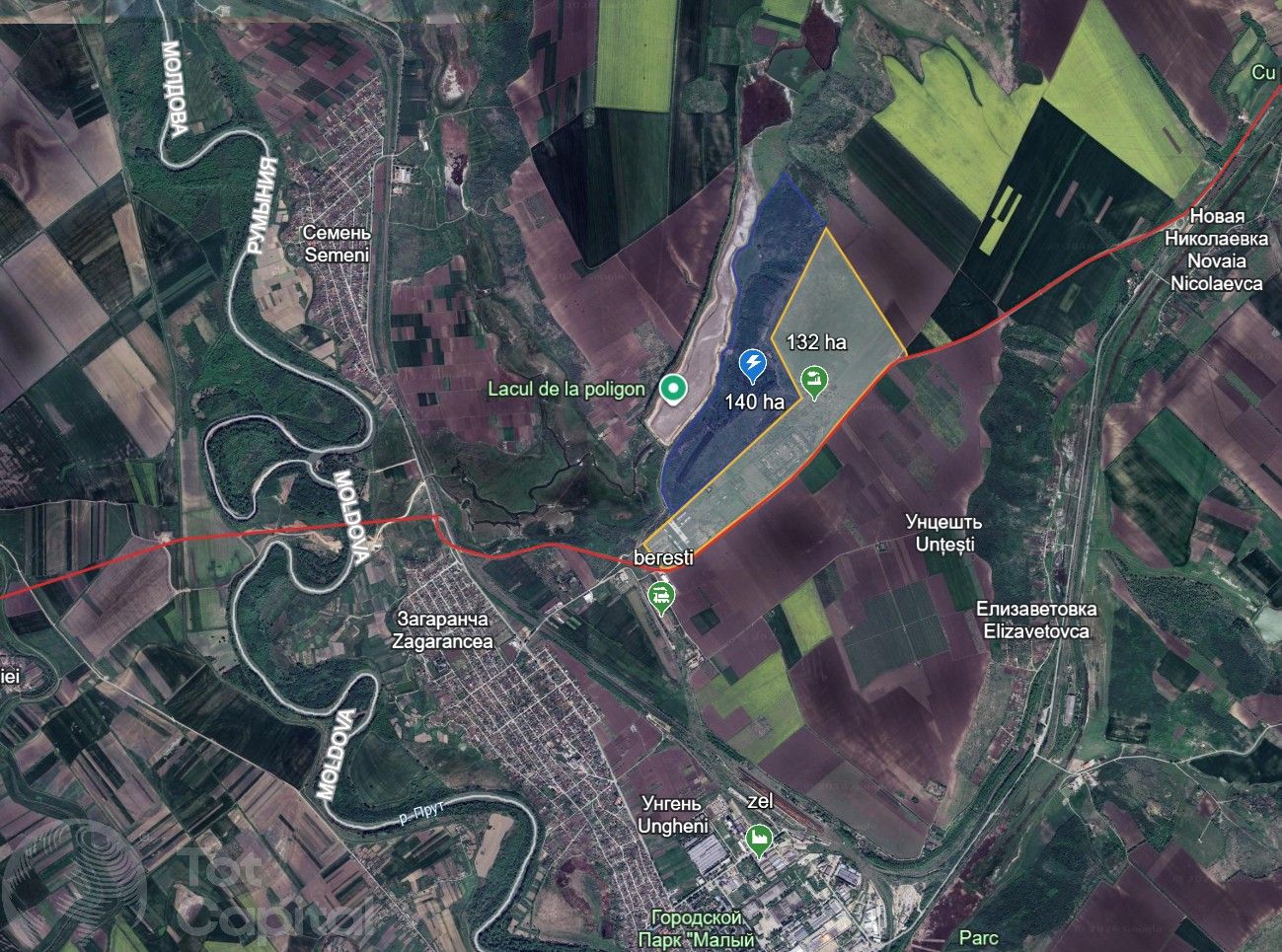
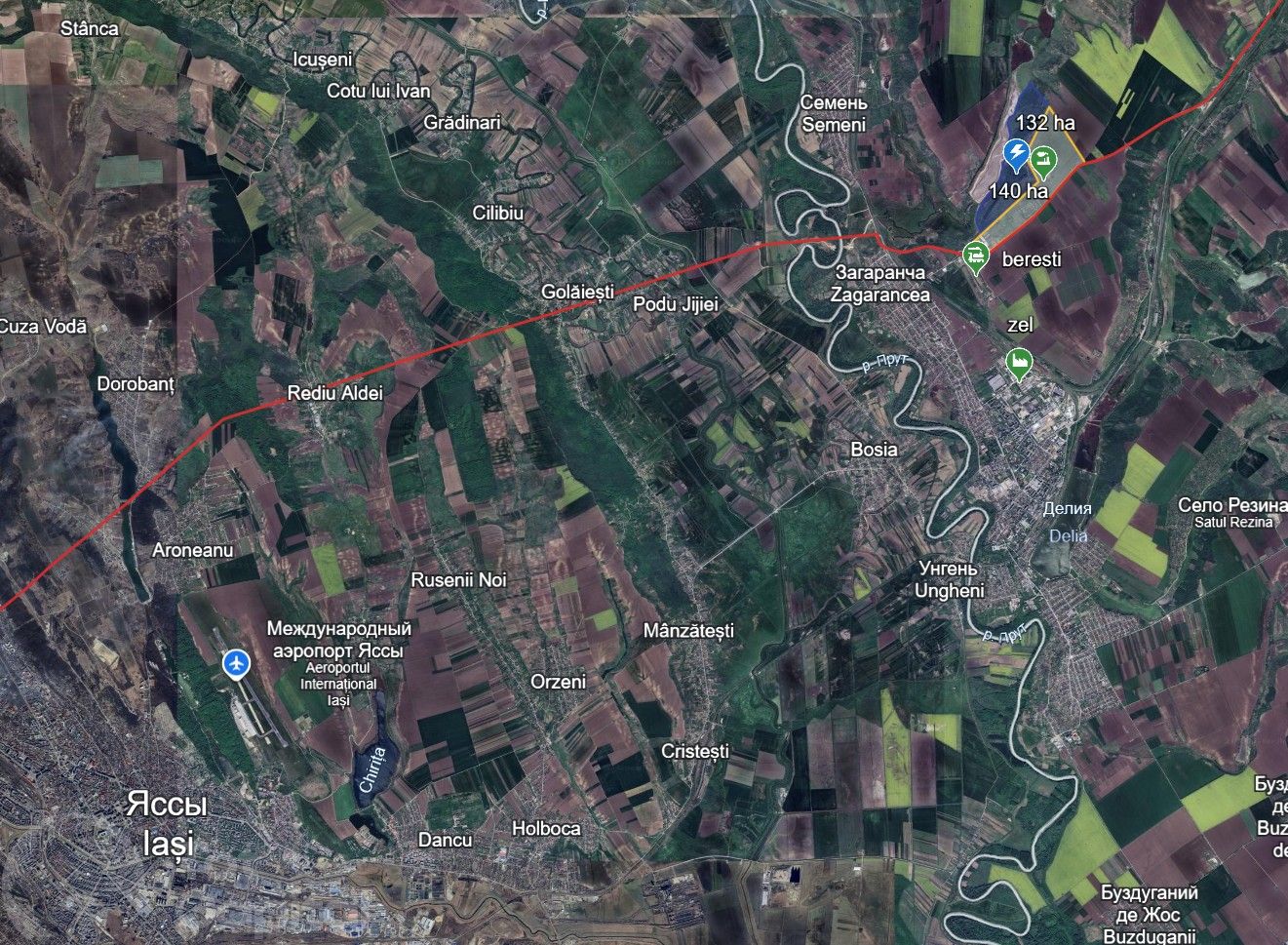
“Ungheni Logistic Hub” is a strategic project aimed at developing an integrated logistics and industrial complex, located on a total area of 272 hectares in Ungheni, at the border with Romania and the European Union.
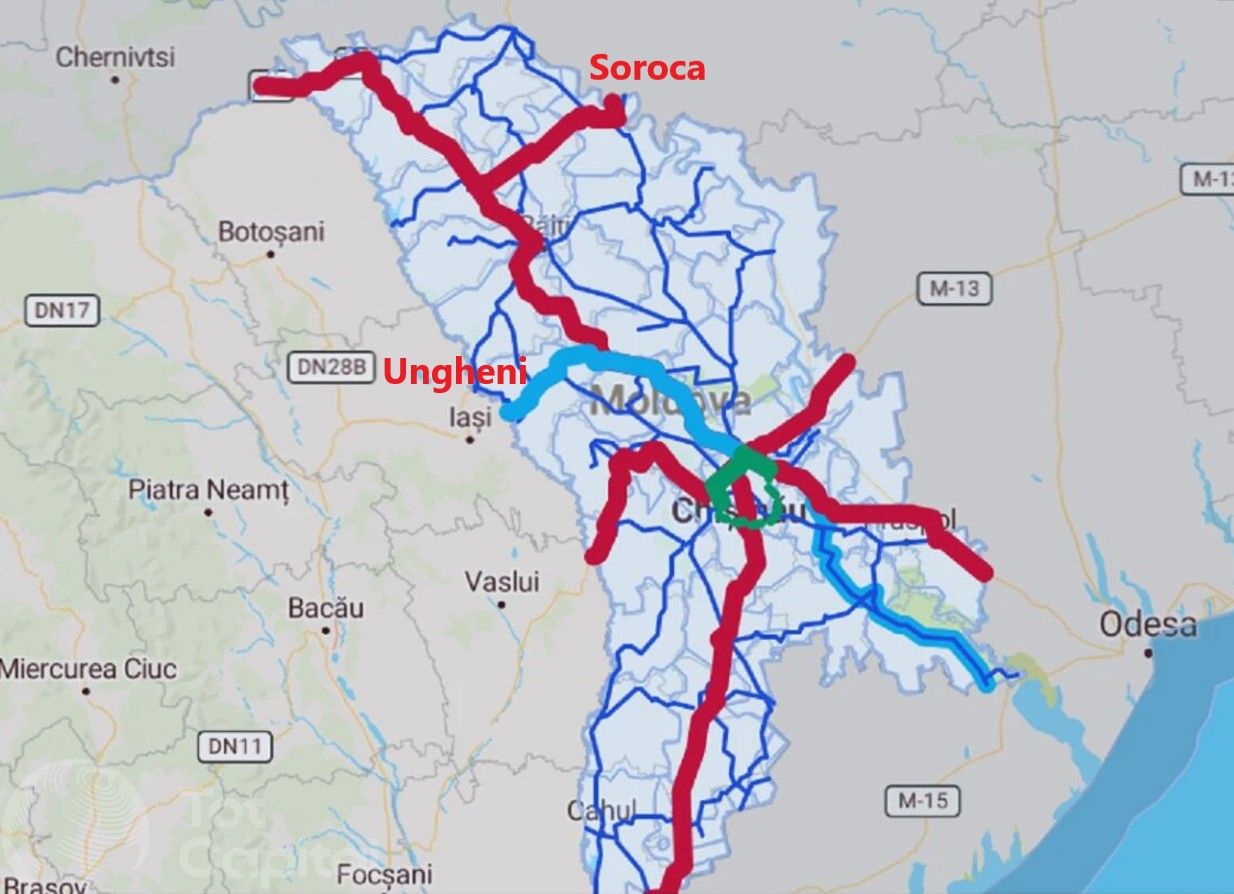
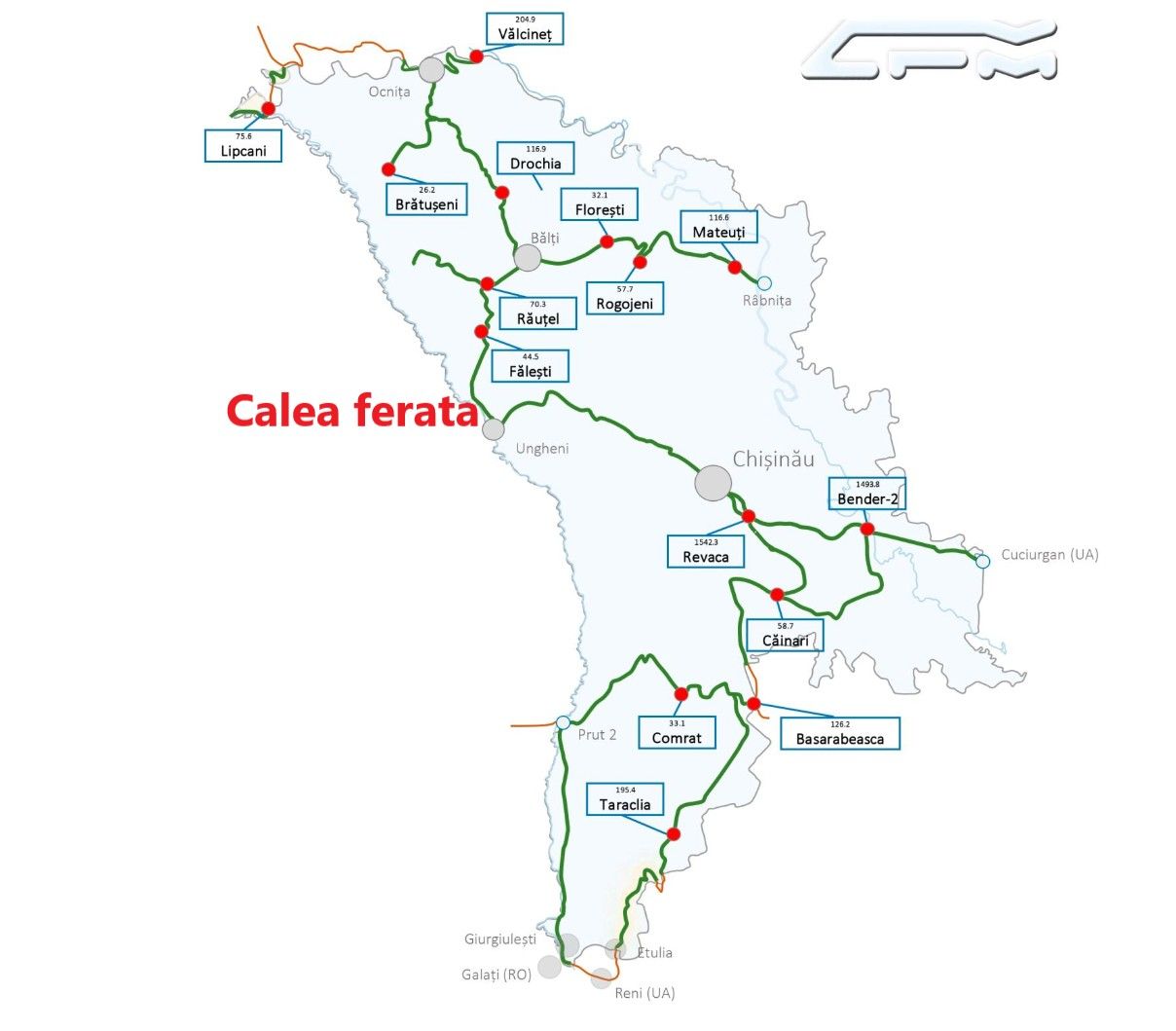
The project leverages its unique geographic position along the international corridor connecting Iași – Ungheni – Chișinău – Odesa, as well as direct access to dual railway infrastructure (European and CIS gauge).
Total estimated investment:
👉 €504 million
Estimated annual revenue:
👉 Minimum €5 million (initial phase) + additional energy income
Projected market capitalization:
👉 €1.256 billion
2. Strategic Locație
📍 Locație: Ungheni, Republic of Moldova
📍 Direct border access to Romania (EU)
Key advantages:
- Fast access to Iași (EU market)
- Strong connection to Chișinău
- Logistics corridor to Odesa
- Railway hub “BEREȘTI” (dual gauge: EU + CIS)
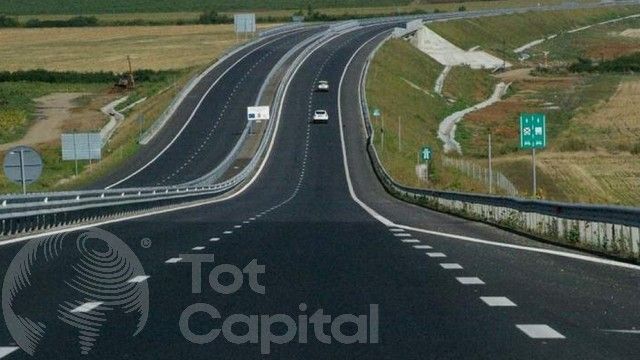
- International road infrastructure access
3. Project Description
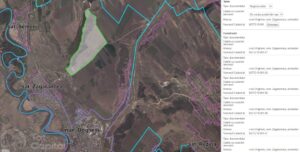
Total land area: 272 ha
Component 1 – Logistics & Industrial Park
- Area: 132 ha
- Facilities:
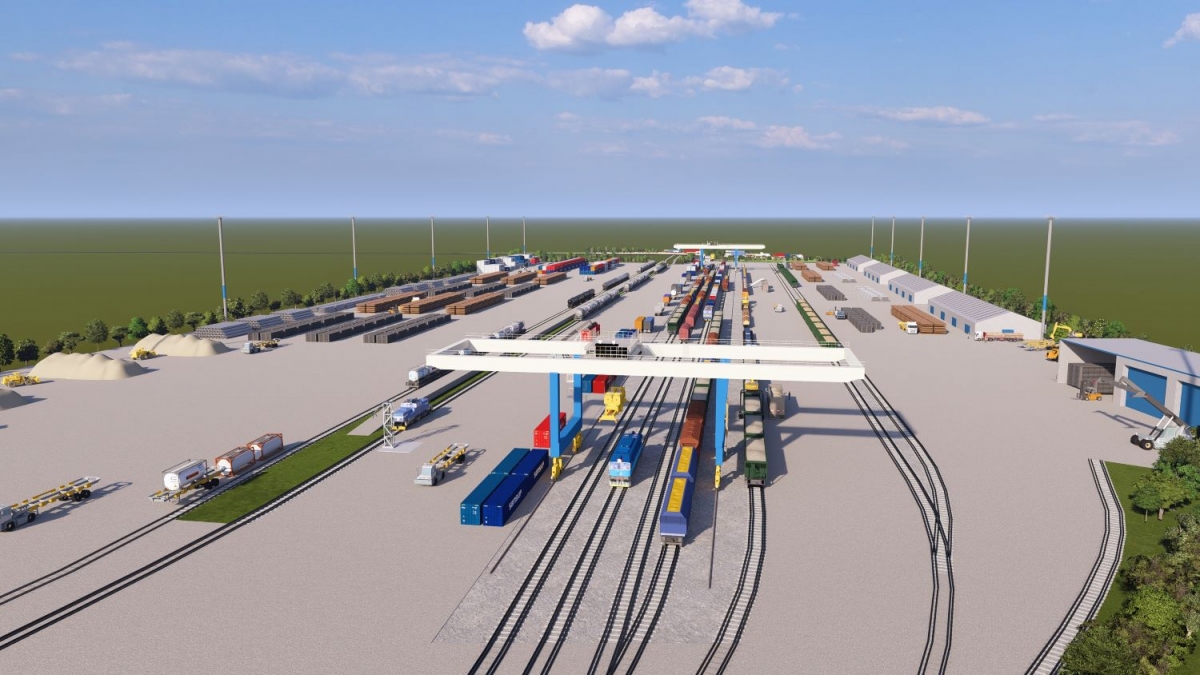
- Class A warehouses
- Industrial / production spaces
- Total built area: 1,000,000 m²
💰 Investment: €450 million
📈 Revenue streams:
- Minimum €5 million/year (rent & logistics services)
- OR sale of units at €1,000 – €1,300/m²
Component 2 – Renewable Energy Park
- Area: 140 ha
- Capacity:
- Solar + wind: 120 MW
- Annual production:
- 140,000 MWh/year
💰 Investment: €54 million
📈 Revenue:
- Electricity price: ~ 2.5 MDL/kWh
- Annual revenue potential:
👉 ~ 350 million MDL/year (~€17–18 million) - Optional:
- Sale of capacity: €800,000 – €1,000,000 per MW
4. Competitive Advantages
✔ Strategic EU-border location
✔ Free economic / industrial zone potential
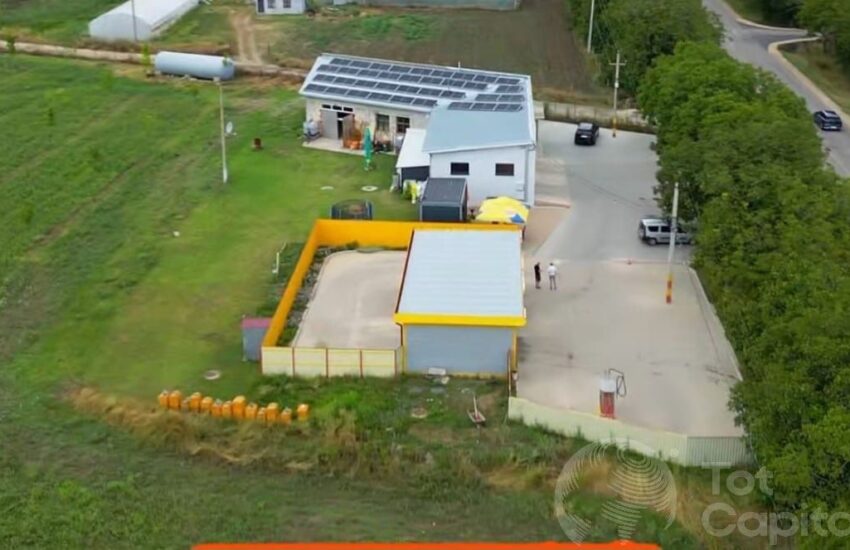
✔ Existing infrastructure (former military base)
✔ Dual railway system (EU + CIS)
✔ Lower operational costs vs EU markets
✔ Partial energy independence
✔ Strong scalability potential
5. Business Model
“Ungheni Logistic Hub” operates as an integrated logistics–industrial–energy ecosystem, generating multiple revenue streams:
A. Logistics & Industrial
- Lease of Class A warehouses (€ / m² / month)
- Lease of industrial production spaces
- Sale of units (€1,000 – €1,300 / m²)
- Logistics services:
- Cross-docking
- Long-term storage
- Regional distribution
- Railway terminal operations (handling & transit fees)
B. Renewable Energy
- Electricity sales (PPA / spot market)
- Direct supply contracts with industrial tenants
- Sale of installed capacity (MW)
- Additional opportunities:
- Green certificates
- Energy export to EU (Romania)
C. Additional Revenue Streams
- Land lease for investors (build-to-suit projects)
- Auxiliary services:
- Truck parking (TIR hub)
- Maintenance & facility management
- Fuel storage / terminal
- Strategic partnerships (joint ventures)
6. ROI (Return on Investment)
Total investment:
👉 €504 million
Estimated annual revenue:
| Component | Revenue |
|---|---|
| Logistics & industrial | €5 – €15 million |
| Asset sales (optional) | €100 – €300 million (one-off) |
| Renewable energy | €17 – €18 million |
| Total recurring revenue | €22 – €33 million/year |
ROI Scenarios
🔹 Conservative scenario:
- Annual revenue: ~€22 million
- ROI: 18–22 years
🔹 Optimized scenario (with asset sales):
- Faster capital recovery
- ROI: 5–8 years
🔹 Strategic investor / exit scenario:
- Project valuation: ~€1.256 billion
- Potential profit:
👉 €700+ million
7. Key Investment Indicators
- IRR: 12% – 25%+
- Target occupancy rate: 70% – 90%
- Estimated rent:
- €4 – €7 / m² (logistics)
- Logistics yield:
- 8% – 12%
8. Development Strategy
Phase 1 (0–24 months)
- Infrastructure development
- Initial warehouses
- Launch of solar park
- Anchor tenants acquisition
Phase 2 (2–5 years)
- Industrial expansion
- Railway terminal development
- Energy contracts
Phase 3 (5+ years)
- Full-scale operation
- Exit / listing / institutional investment
9. Target Clients / Tenants
- International logistics companies
- Large retail chains (regional hubs)
- Industrial manufacturers
- EU–CIS distributors
- E-commerce companies
10. Economic Impact
- Job creation: 1000+ positions
- Accelerated regional development
- Increased import/export flows
- Positioning Moldova as a regional logistics hub
11. Implementation Timeline
Phase 1 (0–18 months)
- Infrastructure
- Initial warehouses
- Solar park launch
Phase 2 (18–36 months)
- Logistics expansion
- Industrial development
Phase 3 (36–60 months)
- Full capacity
- Full energy integration
12. Investment Conclusion
“Ungheni Logistic Hub” has the potential to become:
👉 The largest logistics and energy hub in Central and Eastern Europe
The project combines:
- Strategic logistics
- Industrial production
- Green energy
➡️ Delivering a sustainable, scalable, and highly profitable investment model
PROJECT FINANCING STRUCTURE & INVESTOR FRAMEWORK

Total Project Size
€504 million
Integrated logistics, energy, and agri-infrastructure platform in Moldova, positioned on the strategic Iași–Ungheni–Chișinău–Odesa corridor
1. Capital Structure (Target)
- Equity: €150–180M (30–35%)
- Sponsor + co-investors + institutional equity partners
- Debt / External Financing: €320–350M (65–70%)
- Multilateral institutions
- Development finance institutions (DFIs)
- Commercial banks (blended)
👉 Phased development recommended to optimize capital deployment and reduce risk.
2. Key Financing Partners
Multilateral & Development Finance Institutions (Core Funding)
- European Bank for Reconstruction and Development
- Senior debt + potential minority equity participation
- Strong presence in Moldova
- Typical tenor: 10–15 years
- Interest: ~3–5% (depending on structure and guarantees)
- European Investment Bank
- Long-term financing for green energy and infrastructure
- Lower cost of capital
- Often via intermediated lending or co-financing
- International Finance Corporation
- Private sector financing (debt + equity)
- Mobilization of additional institutional investors
- Strong ESG alignment
- Multilateral Investment Guarantee Agency
- Political risk insurance
- Enhances bankability and reduces financing costs
Strategic & Geopolitical Financing
- U.S. International Development Finance Corporation
- Strategic infrastructure financing in Eastern Europe
- Focus on logistics, energy security, and regional resilience
- UNITED24
- Potential grant-based or co-financing elements (select components)
- Emerging Ukraine Recovery Funds
- Focus on cross-border logistics and reconstruction supply chains
EU Grants & Blended Finance
- Neighbourhood Investment Platform
- Grants covering 5–15% of eligible components
- EU4Moldova
- Technical assistance, infrastructure support
- Green Economy Financing Facility
- Financing for renewable energy and energy efficiency
3. Investor Return Profile (Target IRR)
| Investor Tip | Target IRR | Investment Horizon |
|---|---|---|
| Infrastructure Funds | 8–12% | Long-term (10–20 yrs) |
| Private Equity | 15–20% | 5–7 years exit |
| Family Offices / Sovereign Funds | 7–10% | Flexible |
| Strategic Logistics Operators | 12–15% | Long-term + operational control |
4. Project Components & Return Segmentation
- Logistics Park (Class A)
- Stable rental income
- IRR: 10–13%
- Renewable Energy (PV + Storage)
- ESG-compliant, subsidy-eligible
- IRR: 8–11%
- Grain Silos & Agro Logistics
- High demand driven by Ukraine exports
- IRR: 12–18%
👉 Blended project IRR: ~11–14%
5. Strategic Investment Highlights
- ✅ Prime logistics corridor: direct link between EU and Ukraine
- ✅ EU candidate country (Moldova): improving risk profile
- ✅ Energy independence: integrated renewable generation + storage
- ✅ High demand sector: logistics, agriculture, reconstruction supply chains
- ✅ Scalable platform: modular development approach
6. Risk Mitigation
- Anchor tenants (logistics operators / 3PL / retailers)
- Long-term lease agreements
- Power Purchase Agreements (PPA) for energy
- Multilateral participation (EBRD / IFC)
- Political risk coverage via MIGA
7. Development Strategy
Phase 1 (€120–180M):
- Core logistics infrastructure
- Initial energy capacity
- First tenants secured
Phase 2:
- Expansion of logistics space
- Grain silos and agro facilities
Phase 3:
- Full-scale platform integration
- Regional hub positioning
Conclusion
This project represents a rare institutional-grade opportunity combining:
- Logistics infrastructure
- Renewable energy
- Agro supply chain integration
Positioned at the intersection of EU expansion and Ukraine reconstruction, it offers:
👉 Strong downside protection
👉 ESG compliance
👉 Long-term stable cash flows
👉 Strategic geopolitical relevance
Vizualizări
Proprietăți Aferente